






Embracing the Thrills of Tongits Offline: A Classic Filipino Card Game
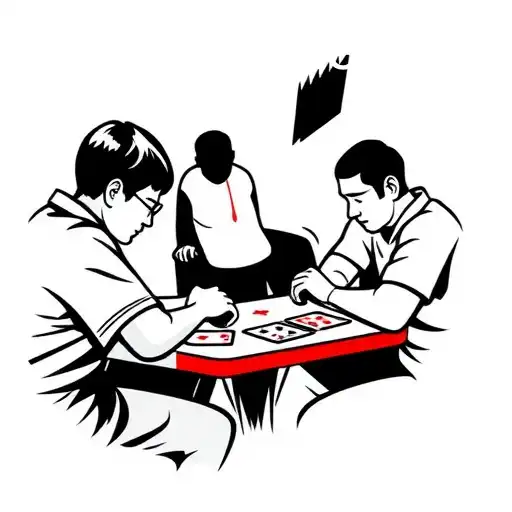
Unveiling the Thrills of Offline Tongits: A Timeless Filipino Card Game
Sports have always had the power to unite communities, and in the Philippines, one of the most celebrated traditional card games is Tongits. Primarily played offline, Tongits has captured the hearts of many for generations, offering a shared experience full of strategy, interaction, and excitement. This game, often played among family and friends, is more than just a pastime; it is a cultural phenomenon that brings people together under its unique set of rules and exciting dynamics.
The Roots of Tongits
The origins of Tongits are as mysterious as the game itself. Some say it traces its lineage back to the game of rummy, while others link it to Mahjong due to its complex and strategic nature. Tongits rose to prominence particularly in the Luzon region and has since become a staple of Filipino recreational activities. Although it is key to note that, much like its history, the rules can vary from one locality to another, adding a regional flavor to the game.
How to Play Tongits Offline
The essence of playing Tongits offline lies in its personal touch. Offline playing fosters face-to-face interactions, where players can read each other's expressions and strategize accordingly. Here's a brief guide to the fundamental aspects of the game:
The Setup
The game requires a standard 52-card deck and is traditionally played by three participants. Each player is dealt 12 cards, while the dealer takes 13, marking the start of the game. The remainder of the deck forms the "central stack," and the objective is to form sets and runs or to minimize points to win the game.
Gameplay Basics
The player on the left of the dealer begins the game. The primary goal is to either create a "Tongits," meaning the player has successfully used all their cards to create valid sets and runs, or to have the least amount of points when the central stack runs out.
Rules and Strategy
The simplest rules include melding sets (three or four cards of the same rank) and runs (three or more consecutive cards of the same suit). A strategic aspect of offline Tongits is to anticipate other players' strategies, which means players often engage in gamesmanship—bluffing or misleading opponents as part of the game.
Fostering a blend of luck, deductive reasoning, and psychological play, Tongits offline is not just about having a first-rate set of cards but also about reading your opponents and making strategic decisions based on subtle cues during face-to-face play.
The Social Dynamics of Offline Tongits
The resurgence of interest in playing Tongits offline has been a testament to its timeless appeal. Unlike digital versions, playing offline preserves the essence of social interaction, where players gather, often over a meal or during social occasions. This setting enriches the experience, allowing participants to not only engage in a competitive game but also strengthen their social bonds.
It's typical for the game to be played during family gatherings or local community events, where the vibrancy and camaraderie often lead to storytelling and banter, making it a truly immersive social activity. In many ways, this offline experience of Tongits is akin to a social tapestry that reinforces community ties.
The Benefits of Playing Tongits Offline
The benefits extend beyond entertainment. Playing Tongits offline sharpens mental acuity, enhances strategic thinking, and strengthens cognitive skills. The game requires concentration, foresight, and tactical moves, which are great for mental stimulation.
Furthermore, because Tongits is a communal activity, it also imparts lessons in patience, fair play, and resilience. These skills are invaluable and extend to everyday life, making participants better at decision-making and social interactions.
A Timeless Appeal
While modern technology and online games have grown in popularity, the traditional essence of playing games like Tongits offline holds a certain immunity to time. The tactile experience of holding cards, the immediate feedback of opponents’ expressions, and the shared laughter and suspense are things a digital screen cannot replicate as richly.
In light of its enduring charm, Tongits continues to thrive as an integral part of Filipino culture, symbolizing the joy of simplicity in a world that is often complex and fast-paced. Gathering around a table for a round or two of Tongits reinforces the notion that some traditions, untouched by the march of time, serve as timeless bridges to a shared past and community-centered future.
The game of Tongits invites players, both young and old, to indulge in the benefits of offline gaming, keeping the traditional spirit alive and ensuring that friendships, laughter, and shared memories are passed down from one generation to the next.
Discovering HotChilli: An Offline Tongits Experience

Explore the exciting world of HotChilli and understand the nuances of offline Tongits in this comprehensive article.
2026-10-15
Discovering BuffaloKing in the World of Tongits Offline

Explore the fascinating world of BuffaloKing, a game that combines the thrill of the wild with the strategy of Tongits Offline, a popular card game.
2026-10-14
Exploring TreasureBowl: The Offline Tongits Phenomenon

Discover the captivating world of TreasureBowl, an offline version of the popular Filipino card game, Tongits.
2026-10-13
Exploring the Dynamic World of Chameleon: An Offline Delight with Tongits Twists

Delve into the captivating game of Chameleon and discover how it integrates the traditional Tongits experience offline.
2026-10-12

 download apk/ios